November 2025
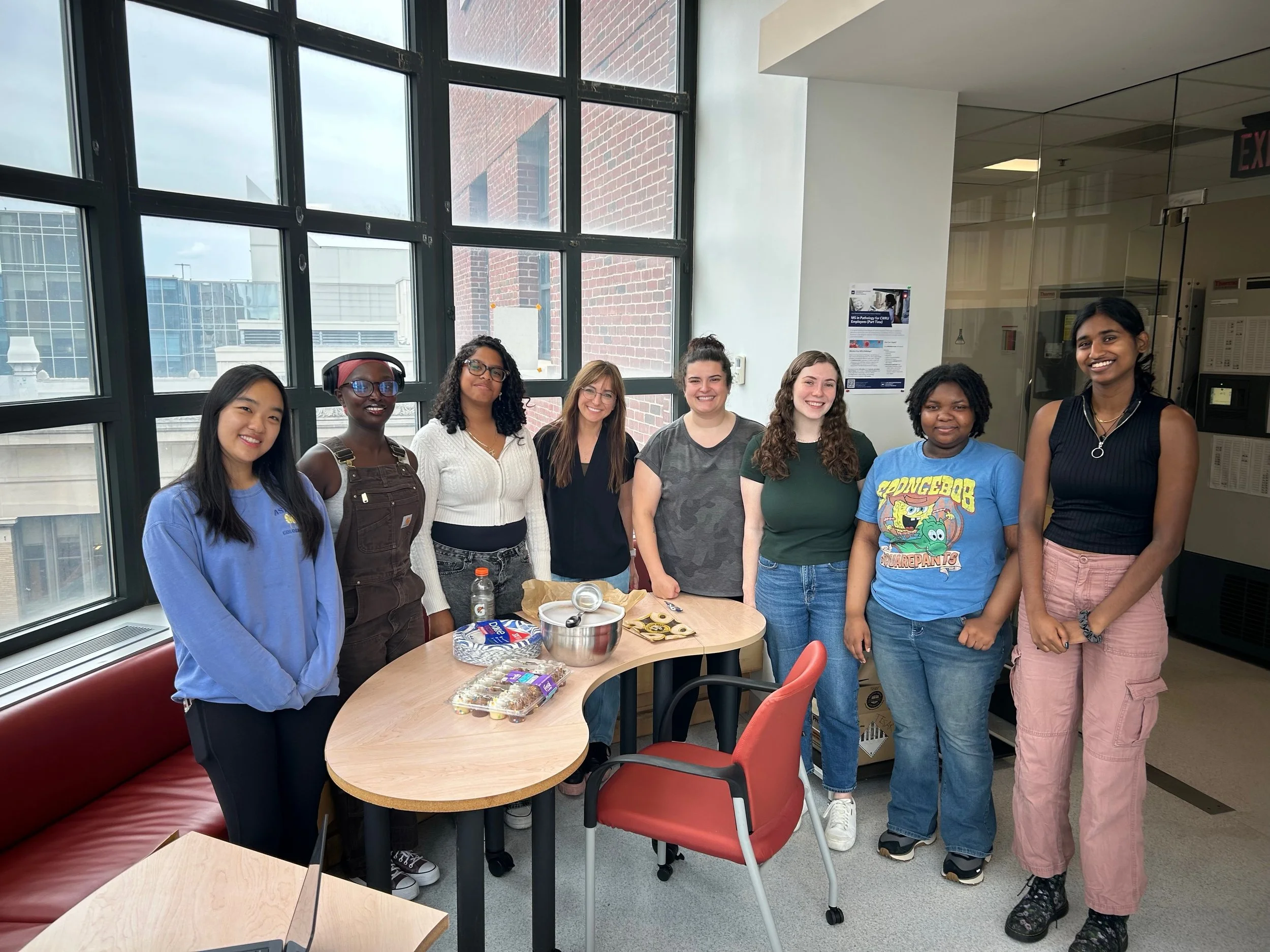
Rise Up Scholars in the lab
Gratitude
With Thanksgiving just behind us, this is a perfect moment to reflect on what we’re grateful for at Rise Up. At the top of that list are the more than 150 Scientific Officers and Teaching Fellows who make the Life as a Scientist program possible.
Together, these volunteers contribute over 1,200 hours each year to support our students. Scientific Officers work behind the scenes developing the protocols that structure each class’s research projects, carefully crafting the scientific structure of every experiment students conduct. Teaching Fellows work directly in the classroom, building relationships with student research teams, guiding their projects, and helping them navigate the process of doing high level science.
Our volunteers come from across the scientific landscape, undergraduates, graduate students, post-docs, faculty at CWRU, CSU, and the Cleveland Clinic, and professionals working in industry. Each brings a unique perspective, a deep commitment to the program, and a willingness to invest in the next generation of scientists.
This holiday season, we want to extend a sincere thank you. Your time, expertise, and mentorship shape the experiences our students carry with them long after the school year ends.
We are truly grateful for all you do!
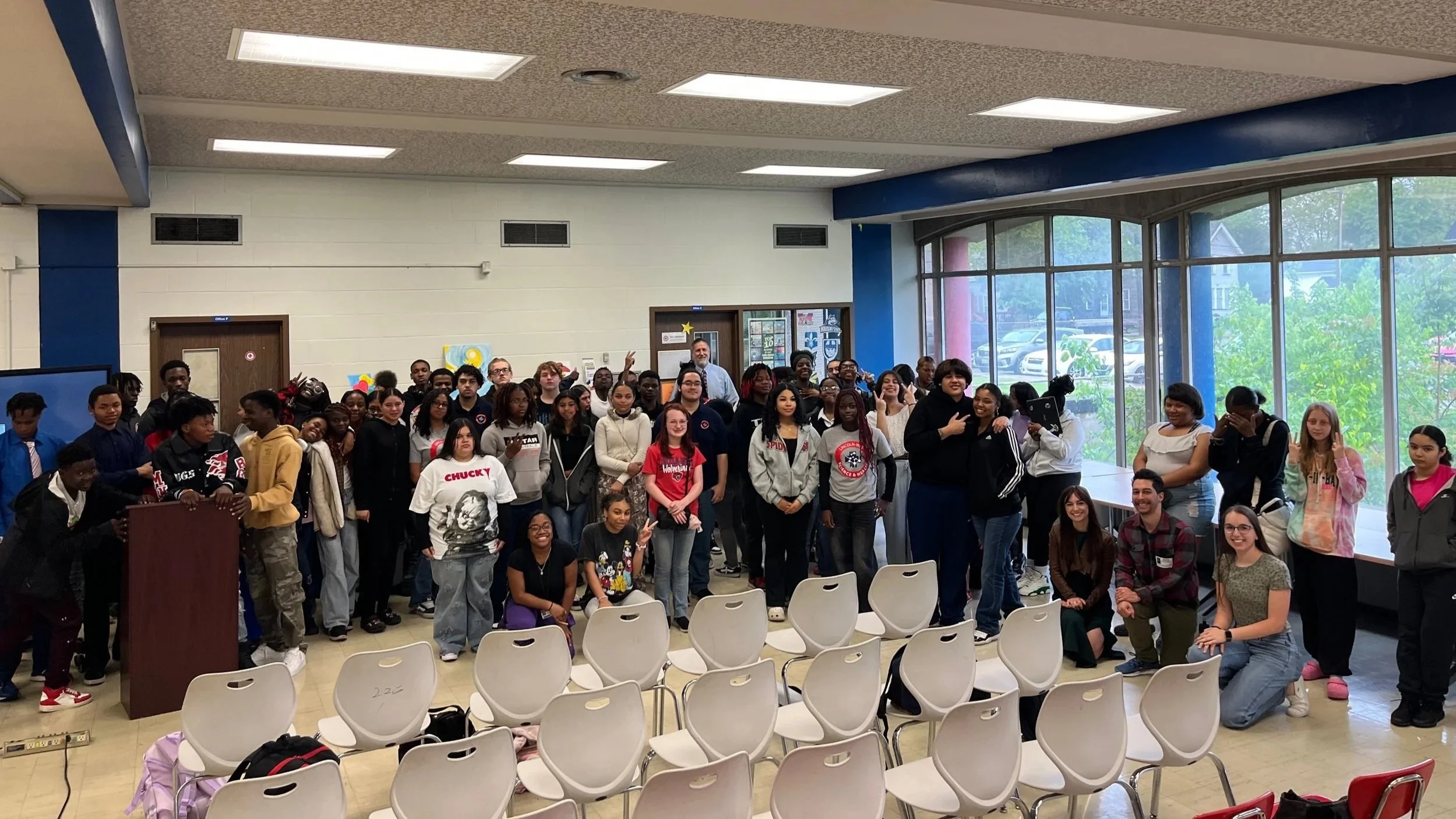
2025 Lincoln-West Student Symposium
Protocol design
This fall, students across our partner schools submitted their own original grant proposals, pitching creative research ideas to explore in the Life as a Scientist program. Our volunteer Scientific Officers, professional scientists from across Cleveland, then led an NIH-modeled study section, reviewing each proposal for scientific merit, feasibility, and impact. After thoughtful discussion, 25 projects were selected for funding. Over the past month, our Scientific Officers have worked to design tailored experimental protocols and detailed material lists for all of the supplies we need to carry out these projects. Students in each research groups will have a map for their project that is novel, hands-on, and scientifically rigorous.
Keep reading to learn more about the projects!
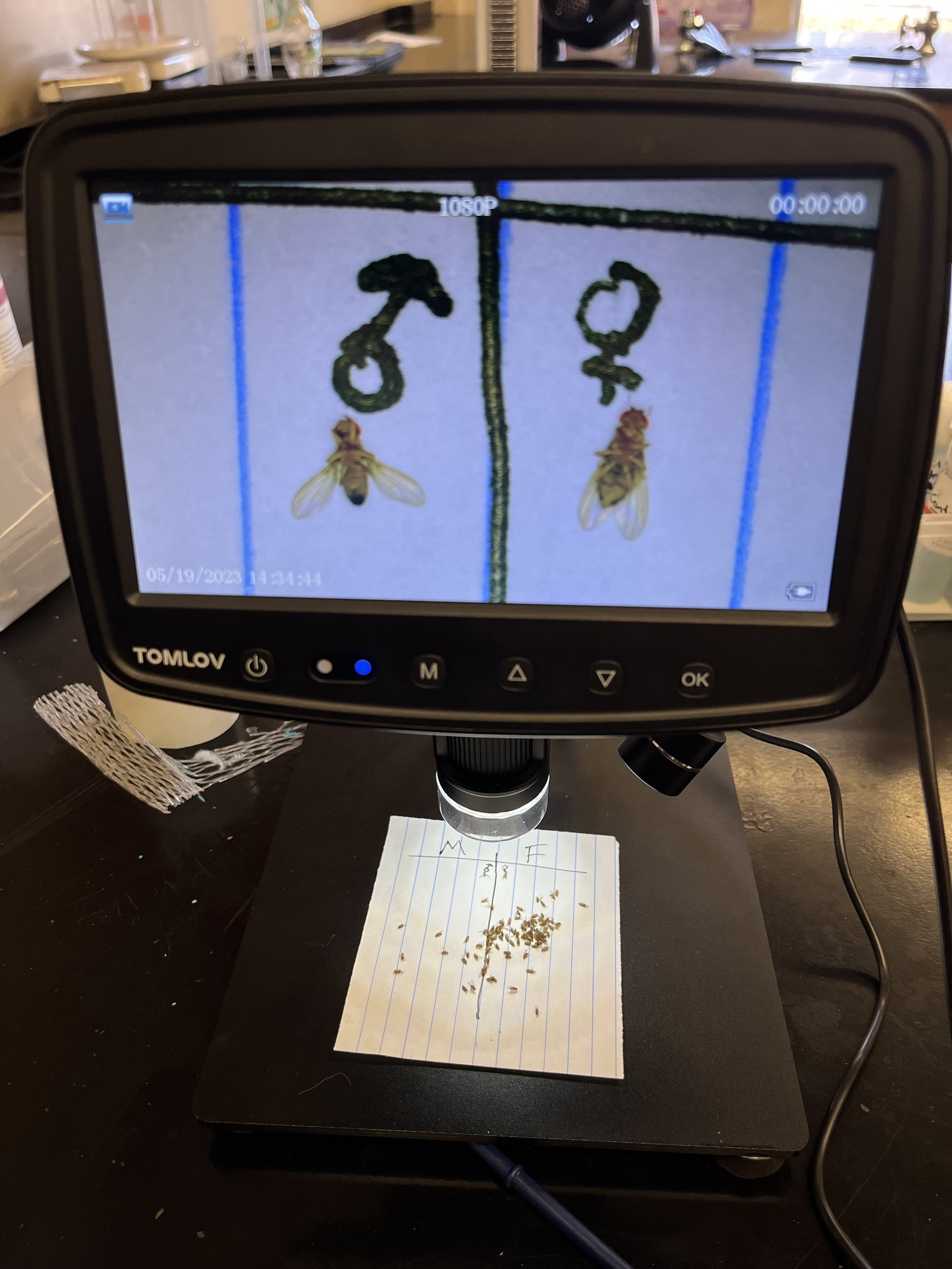
Sorting fruit flies by sex
Diabetes
This month, in anticipation of the Life as a Scientist program returning to classrooms in January, we’d like to highlight a project at each school we work with.
Students at Garrett Morgan School of Engineering & Innovation will take on an ambitious new project: modeling diabetes using fruit flies. Diabetes affects millions of people, and this research will help students explore how diet influences the body at both the behavioral and molecular levels.
Using fruit flies, an ideal model for studying human metabolism, students will compare how a high-sugar diet (HSD) and a high-fat diet (HFD) impact health. Throughout the project, teams will track how diet changes the flies’ movement, activity levels, and lifespan, mirroring symptoms often seen in Type II diabetes.
In the second part of the study, students will investigate what’s happening inside the flies’ cells. They will learn advanced techniques, including Western blotting, to measure key metabolic markers like:
ILP3, a hormone similar to insulin
O-GlcNAc, a chemical modification linked to diet and cellular stress
This project will give students a deeper understanding of how nutrition affects long-term health, an issue with real relevance to communities across Northeast Ohio.
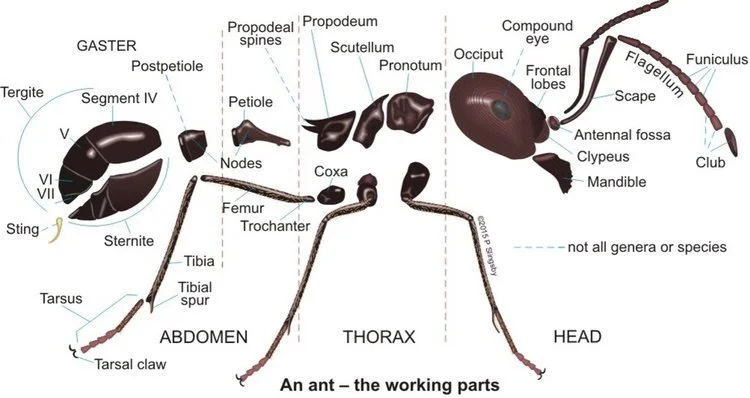
Ant model
Cerebrum & Smoke
At Lincoln-West, one of the research groups will launch an ambitious and timely research project exploring how smoke exposure, from vapes, cigarettes, and even fire, affects the brain and behavior of ants. Because ants rely heavily on chemical signals to navigate, communicate, and survive, they offer a powerful model for studying how inhaled pollutants can disrupt nervous system function.
Over the semester, student researchers will expose ant colonies to different types of smoke and track changes in lifespan, activity levels, maze navigation, and movement coordination. These behavioral studies will help students see firsthand how environmental exposures can influence sensory processing and motor control.
In the final phase of the project, students will shift from behavior to biology. Using Western blotting, they will test whether long-term smoke exposure activates MMP-1, a protein linked to brain injury and neural repair. By comparing MMP-1 levels across treatment groups, students will explore how chronic exposure impacts the brain at a molecular level.
This project blends environmental health, neuroscience, and hands-on experimentation, giving students a real-world look at how pollutants influence living systems.
We look forward to sharing updates from the classroom as students launch this exciting research in the new year!
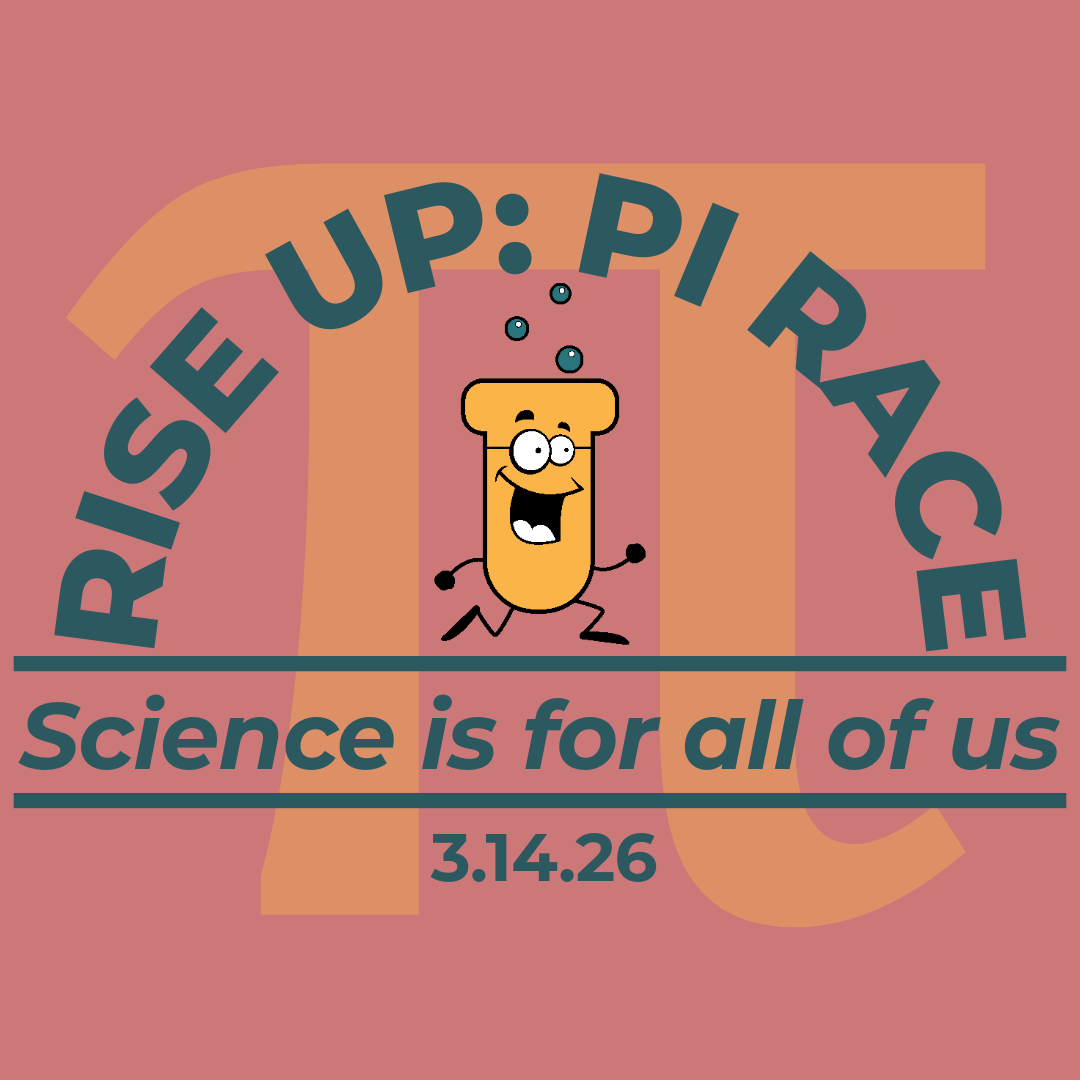
2025 Pi Race
2026 Pi Race
Mark your calendars for March 14th, 2026 (3.14!), because the Rise Up Pi Race is back, and this year, you can join from anywhere!
The Rise Up Pi Race is our annual celebration of all things math, science, and community. Participants will complete 3.14 miles, running, walking, biking, rolling, or any creative way you’d like, anytime between March 13-15. The idea is simple: move 3.14 miles, celebrate the power of math and motion, and share your Pi pride with the Rise Up community.
All Proceeds and participation help support Rise Up’s mission to connect Cleveland-area high school students with scientists and mentors who help them explore research, discovery, and real-world research.
Registration is now open! Nio matter your pace or place, you can be part of this celebration, and maybe even enjoy a slice (or two) of pie when you’re done.
