December 2025
2026 Pi Race
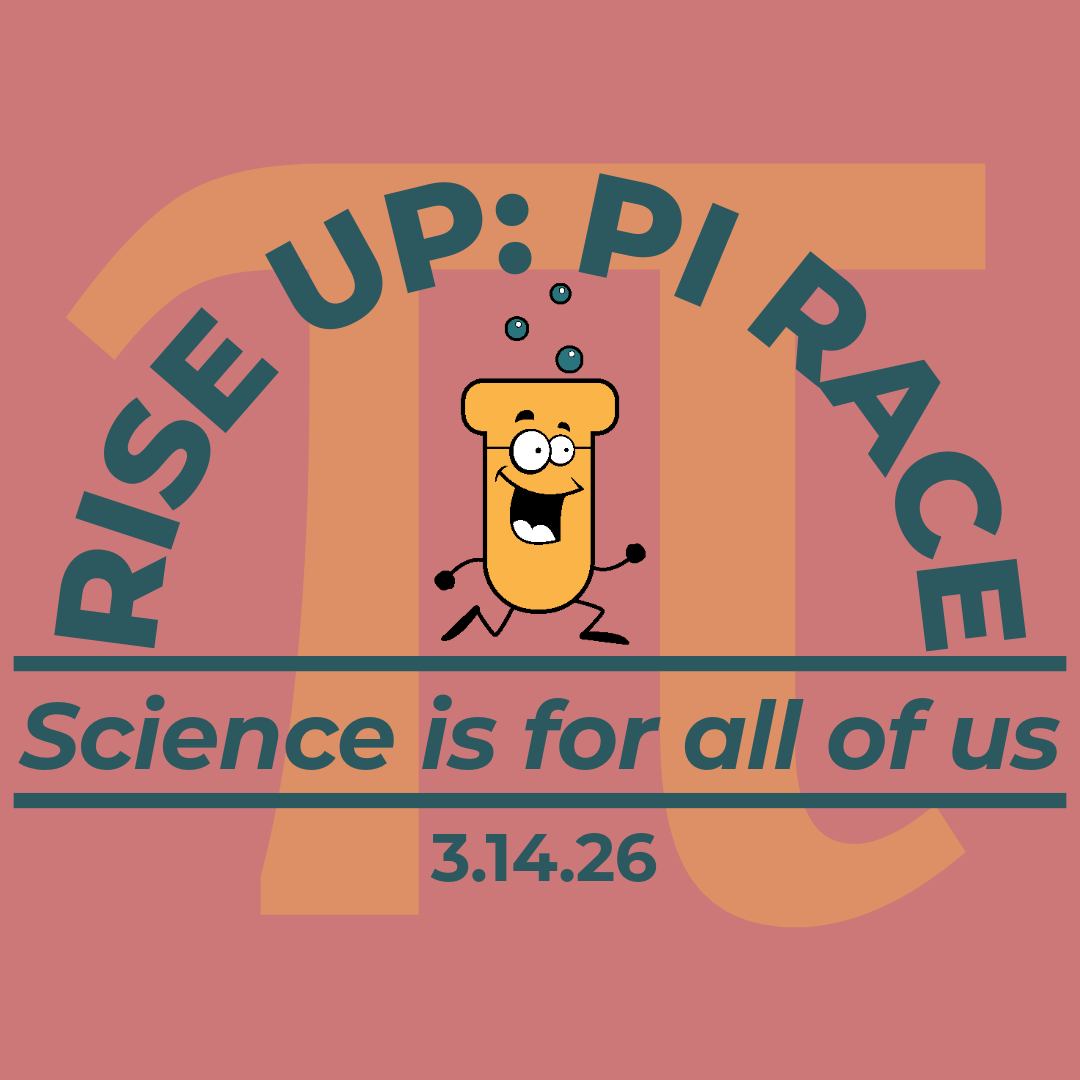
Mark your calendars for March 14th, 2026 (3.14!), because the Rise Up Pi Race is back, and this year, you can join from anywhere!
The Rise Up Pi Race is our annual celebration of all things math, science, and community. Participants will complete 3.14 miles, running, walking, biking, rolling, or any creative way you’d like, anytime between March 13-15. The idea is simple: move 3.14 miles, celebrate the power of math and motion, and share your Pi pride with the Rise Up community.
All Proceeds and participation help support Rise Up’s mission to connect Cleveland-area high school students with scientists and mentors who help them explore research, discovery, and real-world research.
Registration is now open! No matter your pace or place, you can be part of this celebration, and maybe even enjoy a slice (or two) of pie when you’re done.
STEM Teaching Enrichment
STEM Teaching Enrichment
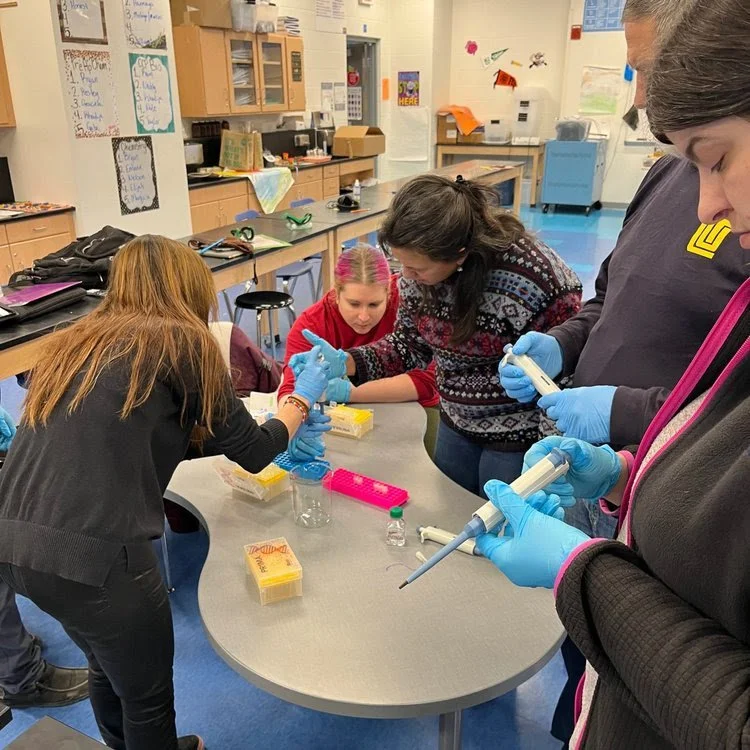
On December 16th, Rise Up welcomed partner educators for a STEM Teaching Enrichment session focused on building hands-on laboratory skills and strengthening connections between teachers and scientists. These educators are part of an ongoing professional learning community, helping to equip teachers with new technologies and techniques to share with their students.
During this session, teachers engaged directly with experimental techniques they can bring back to their classrooms. They practiced sorting and sexing Drosophila (fruit flies) and explored a range of behavioral assays, including the Drosophila climbing test, the Drosophila Y-maze, and worm care with a burrowing assay. These activities provided practical experience with model organisms commonly used in research.
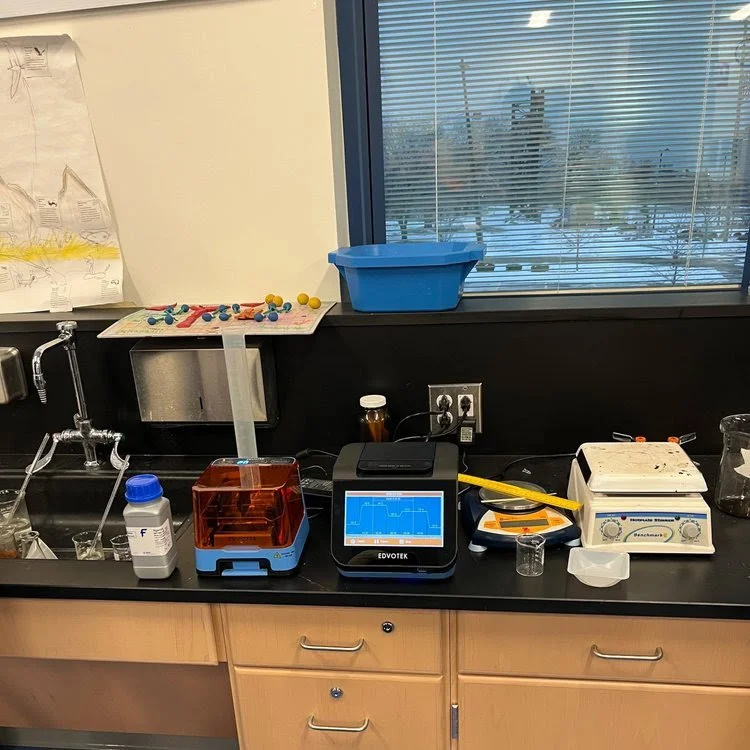
Teachers also received training on new laboratory technologies, including the Scanning Electron Microscope (SEM), as well as foundational molecular biology techniques such as PCR and gel electrophoresis. The goal of this work is not just familiarity, but confidence, helping educators feel prepared to guide students through authentic scientific investigations.
By equipping teachers with advanced tools and techniques, the STEM Teaching Enrichment program strengthens classroom instruction and expands what is possible for students. We’re grateful to our partner educators for their dedication to continuous learning and to the scientists who support them along the way.
Running PCR at the STEM Teaching Enrichment
Protocol design
This fall, students across our partner schools submitted original grant proposals, pitching creative research ideas they wanted to explore through the Life as a Scientist program. Our volunteer Scientific Officers, professional scientists from across Cleveland, then convened an NIH-modeled study section where they carefully reviewed each proposal for scientific merit, feasibility, and potential impact.
After thoughtful discussion, 25 student projects were selected. Over the past month, our Scientific Officers have worked closely to design custom experimental protocols and develop detailed supply and equipment lists for each project. We are now in the process of purchasing all necessary materials, ensuring that every student research team is fully equipped to carry out their work.
When students return to the classroom, each group will have a clear roadmap for a project that is novel, hands-on, and scientifically rigorous.
Keep reading to learn more about the exciting research launching this semester!
Cancer project
This month, in anticipation of the Life as a Scientist program returning to classrooms in January, we’d like to highlight some of the projects that students will be working on.
One exciting project set to begin at Garrett Morgan is focused on how cancer forms, spreads, and is passed down through generations.
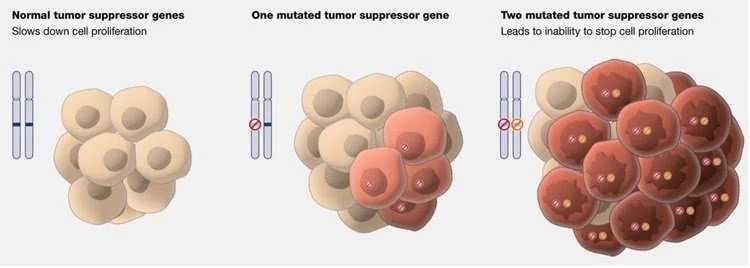
Using fruit flies as a model organism, students will investigate both the genetic and environmental causes of cancer. Fruit flies share many of the same cancer-related genes as humans, making them powerful tools for studying how tumors develop and why some individuals are more at risk than others.
Throughout the project, students will work with genetically modified flies that develop visible tumors in their eyes when key tumor-suppressor genes are disrupted. They will track how quickly tumors form, what they look like under the microscope, and how environmental factors—such as UV radiation—can worsen tumor growth. Students will also explore heredity by studying whether cancer risk increases in the offspring and grandchildren of affected flies.
This project introduces students to advanced genetic concepts, including inheritance, mutations, and the interaction between genes and environment, while grounding the science in questions that matter deeply to families and communities. We look forward to sharing discoveries from the classroom as students launch this exciting investigation in January.
Makeup
One of the projects at Lincoln-West will be asking a question many people wonder about: Is expensive makeup actually better for your skin than cheaper alternatives?
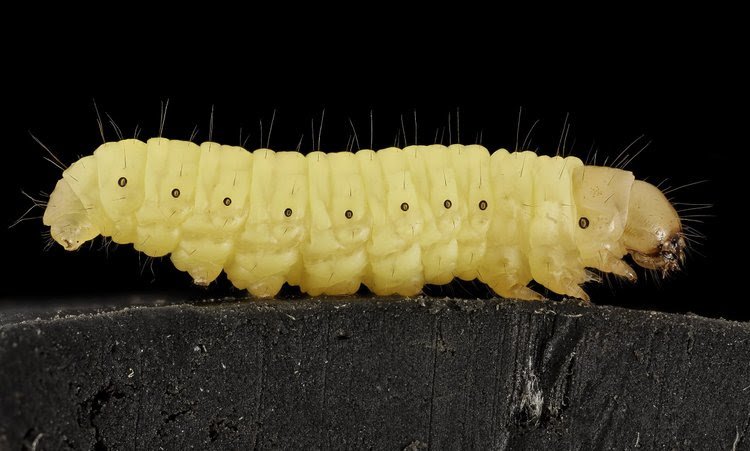
This research group will investigate the potential health impacts of cosmetic products using waxworms, a model organism with a visible immune response, and a chicken egg membrane to mimic skin barriers. By comparing low-cost drugstore makeup to high-end luxury brands, students will measure signs of irritation, permeability, and toxicity.
Students will observe whether makeup exposure triggers an immune reaction in waxworms, seen as dark pigmentation on their bodies, and whether chemicals from different products pass through biological membranes. They will also track survival over time to explore potential differences in toxicity.
This project connects everyday consumer choices to biology, chemistry, and health science, empowering students to think critically about product safety while learning real laboratory techniques. Stay tuned for results later in the spring, perhaps they will inform your own buying habits!
