January 2026
2026 Pi Race
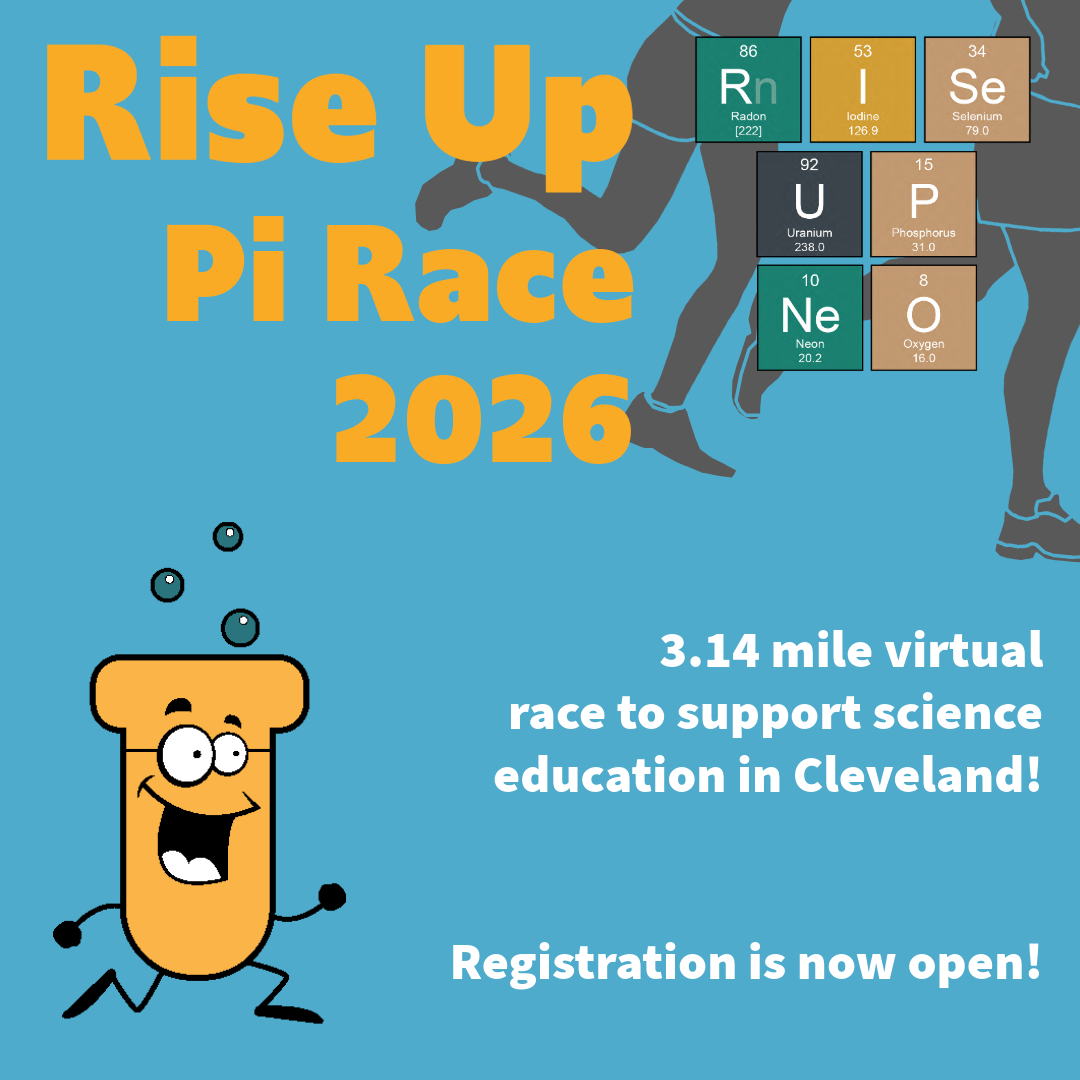
Mark your calendars for March 14th, 2026 (3.14!), because the Rise Up Pi Race is back, and this year, you can join from anywhere!
The Rise Up Pi Race is our annual celebration of all things math, science, and community. Participants will complete 3.14 miles, running, walking, biking, rolling, or any creative way you’d like, anytime between March 13-15. The idea is simple: move 3.14 miles, celebrate the power of math and motion, and share your Pi pride with the Rise Up community.
All Proceeds and participation help support Rise Up’s mission to connect Cleveland-area high school students with scientists and mentors who help them explore research, discovery, and real-world research.
Registration is now open! No matter your pace or place, you can be part of this celebration, and maybe even enjoy a slice (or two) of pie when you’re done.
Setting up a burrowing assay with earthworms
Life as a Scientist
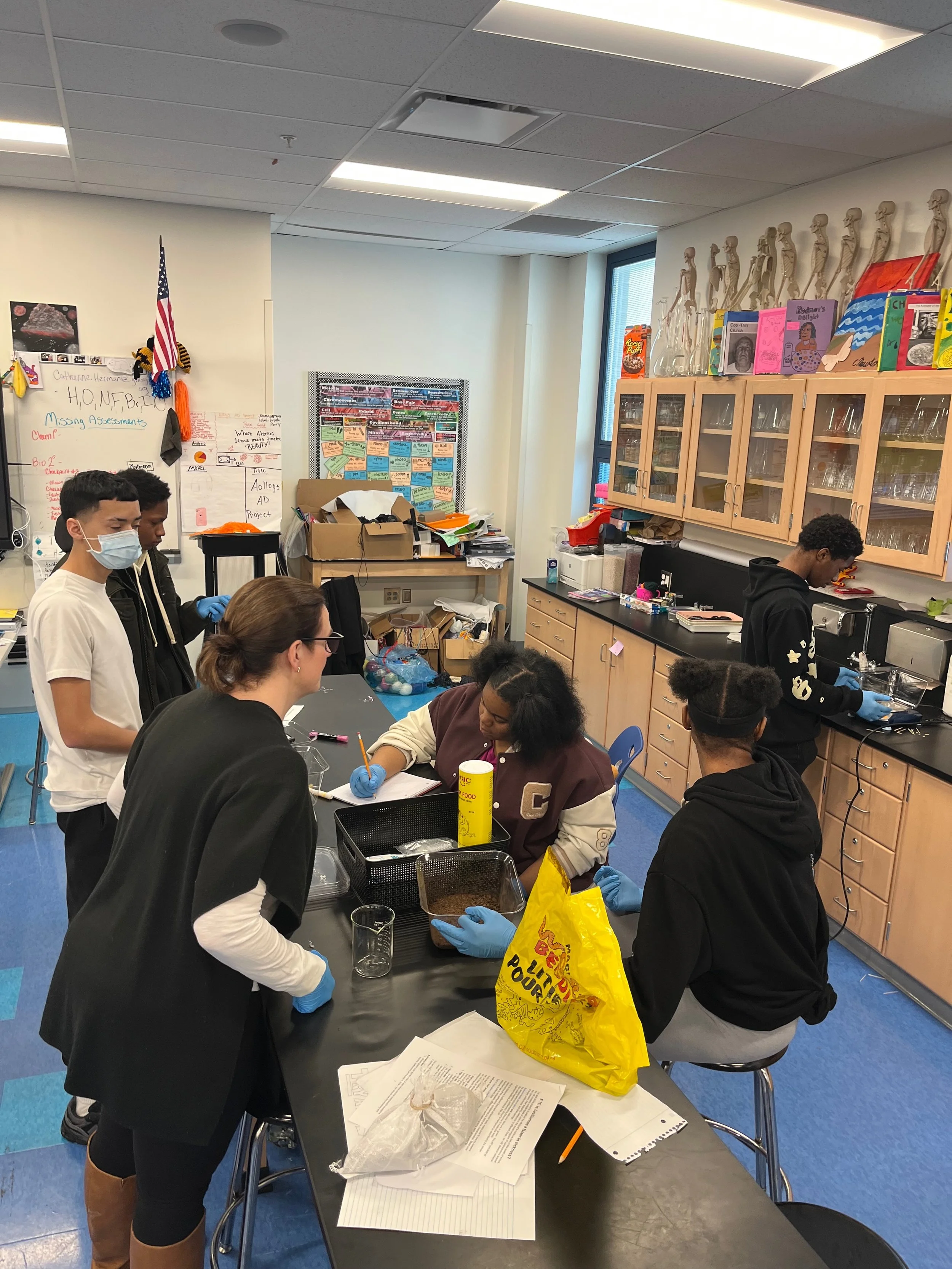
After a month of ordering supplies and equipment, we were thrilled to be back in the classroom with students at Garrett Morgan School of Engineering & Innovation and Lincoln-West School of Science & Health, launching another exciting semester of Life as a Scientist. Students formed their research teams, were introduced to the model organisms they’ll be working with this semester, reviewed the experimental protocols developed for their projects, and dove into their projects!
With guidance from our volunteer Teaching Fellows, professional scientists who generously share their time and expertise, students have already begun hands-on experimental work. Students are exploring a wide variety of research topics including traumatic brain injury, pollution, depression, and makeup! Over the course of the next four months students will work in teams to address their research questions, troubleshooting and optimizing their projects as they go.
We’re excited to share updates as these student-driven research projects continue to unfold throughout the semester!
Sorting fruit flies by sex
Why do we love spicy food?
While students are hard at work gathering data, we will be highlighting a couple of their experiments. This spicy experiment will be taking place at Garrett Morgan until May:
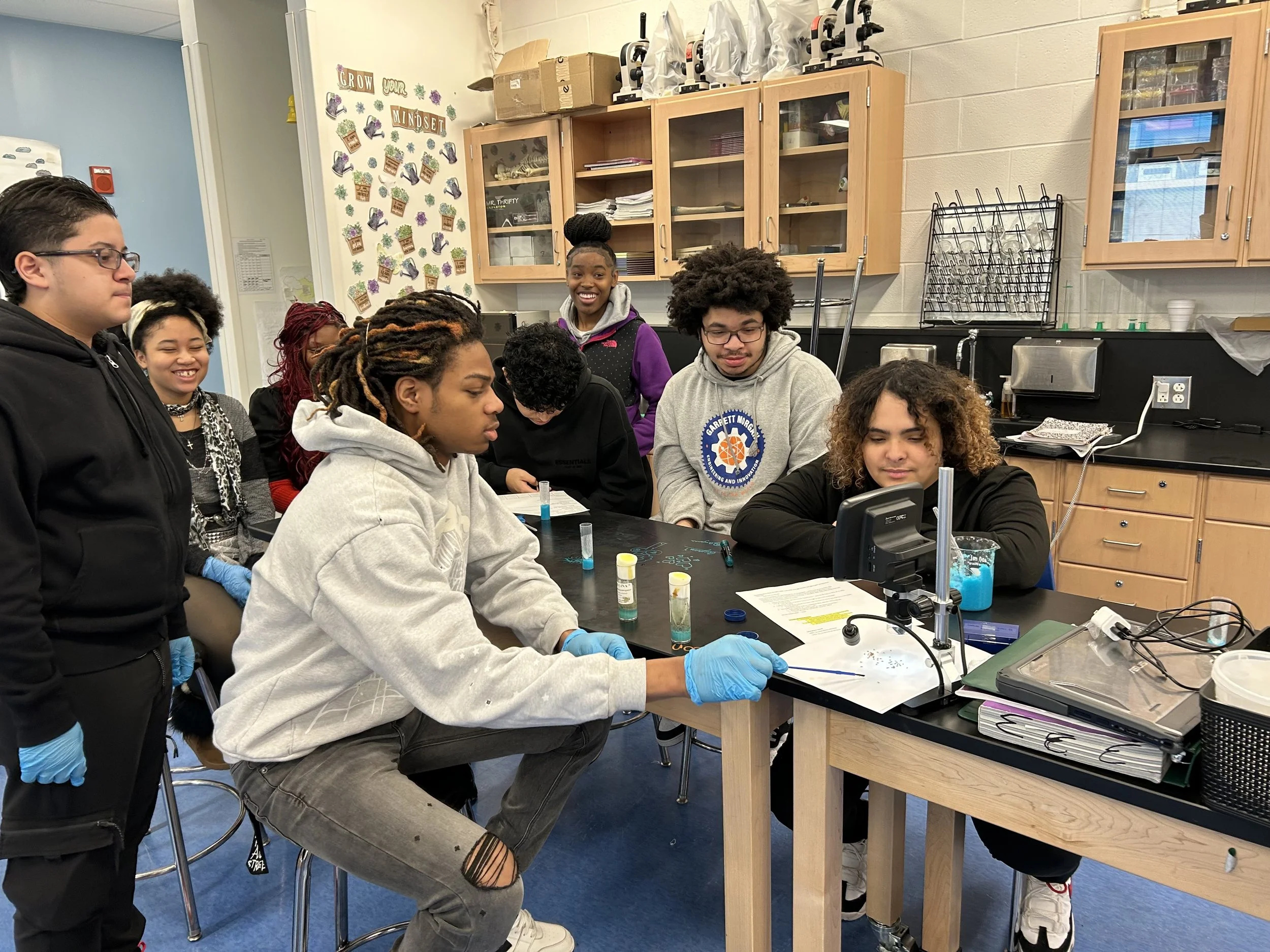
Why do people enjoy foods that cause pain, like hot chips and spicy sauces, while most animals avoid them? This Life as a Scientist project takes that question into the lab by exploring how spicy compounds affect food choice, behavior, and survival in fruit flies.
Students will investigate whether fruit flies have a natural avoidance of spicy substances like capsaicin, the chemical that makes peppers hot. Using choice-based experiments, students will test whether flies prefer plain sugary food over spicy food, and whether highly processed snacks, like “hot chip dust,” can override that avoidance by combining spice with fat, salt, and sugar.
Students will also examine whether extremely spicy foods become toxic at higher concentrations by tracking fly survival and movement over time. Together, these experiments model a very human experience: enjoying foods that trigger discomfort because they are engineered to taste good.
This project connects nutrition, neuroscience, evolution, and consumer health, encouraging students to think critically about why we crave certain foods and how biology influences our choices. We’re excited to see what students discover!
Pollution and plant growth
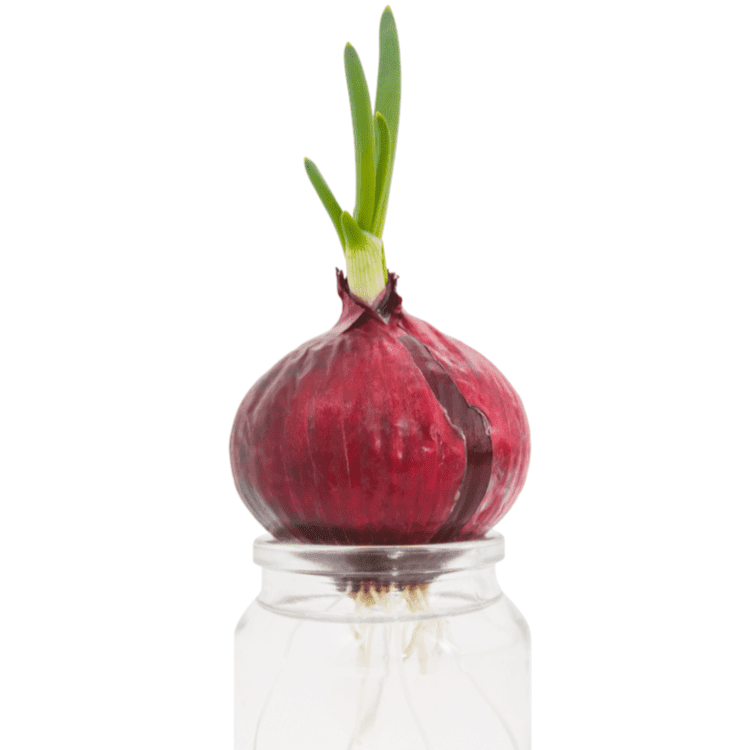
Another exciting project now underway at Lincoln-West is focused on how pollution in our water affects the plants we rely on for food. In this project, students are investigating how pesticides and water contamination impact plant growth, from the cellular level all the way to flowering plants.
Using onions and radish seeds as model systems, students are testing how different concentrations of pesticides affect root growth, cell division, seed germination, and overall plant development. Onion root tips are especially useful because they contain a region of rapid cell division, allowing students to examine how pollution interferes with mitosis and healthy growth.
Throughout the project, students will:
Measure how onion roots grow in contaminated water
Use microscopy and staining techniques to observe cell division
Track how quickly radish seeds germinate under polluted conditions
Monitor long-term plant growth and flowering when watered with contaminated solutions
By combining hands-on plant biology with real environmental concerns, this project helps students explore how human activities influence ecosystems and food systems. It also introduces key scientific skills, from experimental design and controls to data collection and analysis, while connecting classroom science to issues affecting communities everywhere.
We’re excited to see what students discover as they explore the relationship between pollution and plant health.
