October 2025
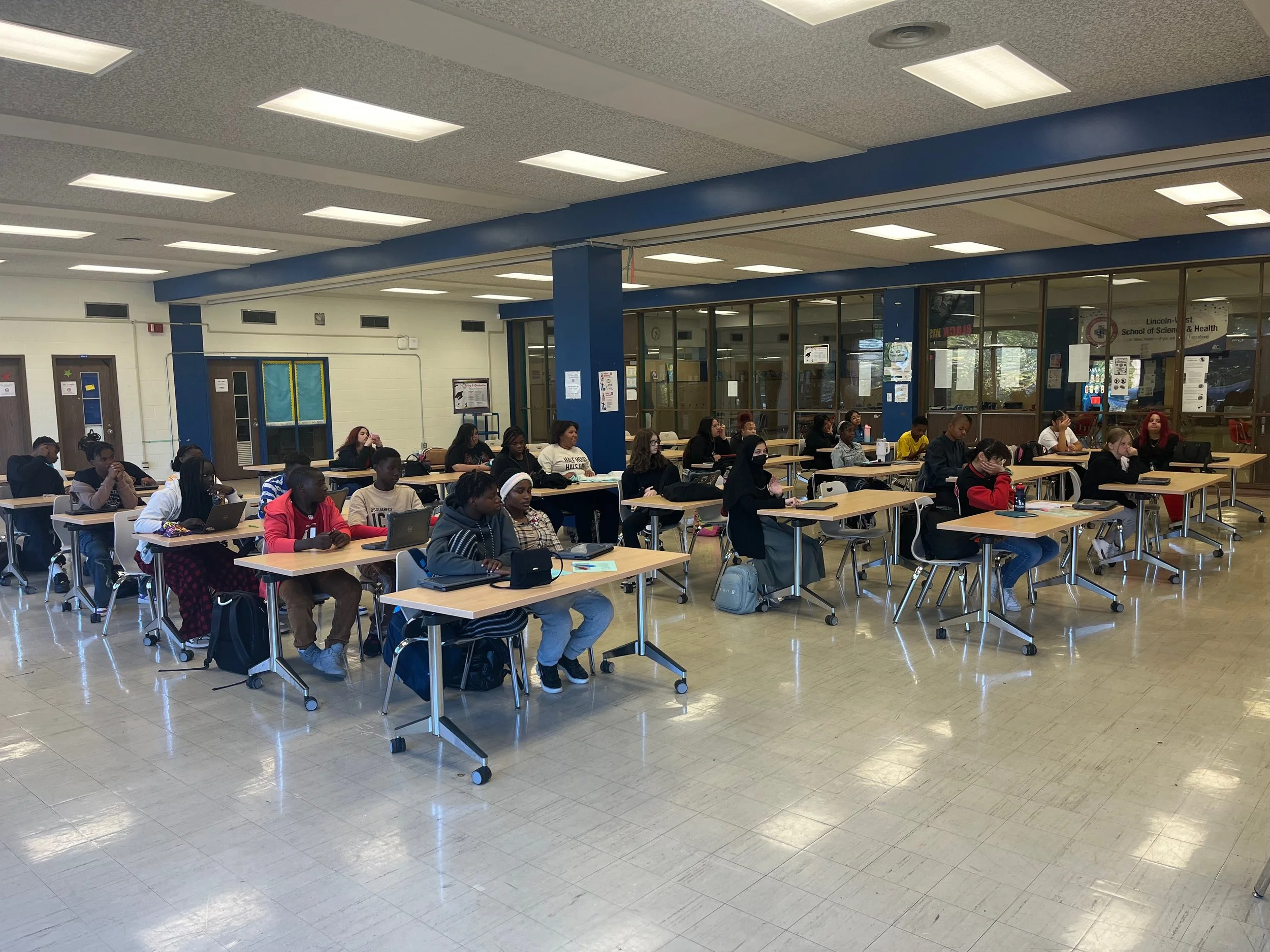
Lincoln-West students getting prepared to write grants
Grant writing
Students at Lincoln-West and Garrett Morgan have been hard at work on their grant submissions for the 2025–26 school year! Each year, the Life as a Scientist program kicks off with a fun and creative brainstorming session where students dream up innovative research ideas. From there, we guide them in shaping those ideas into formal grant proposals that include all the essential elements for selection.
Their goal? To have their proposals “funded” by Rise Up! Funded projects receive customized experimental protocols, all necessary supplies and equipment, and mentorship from professional scientists to help bring their ideas to life.
We are holding our annual Study Section, modeled after the National Institutes of Health (NIH) review process, where our Scientific Officers will evaluate the proposals and select projects to move forward with in each classroom.
Stay tuned to see which projects will be funded this year!
Caplan Research Award
The Caplan Research Award for Excellence in Student Scientific Research is presented annually to one student group at each school that fully engaged with the program, demonstrated creativity and teamwork, presented their ideas confidently, and excelled in writing their research manuscript.
This award is named in honor of Dr. Arnold Caplan, a distinguished professor at Case Western Reserve University and a pioneering scientist in regenerative medicine. Over a career spanning more than five decades, Dr. Caplan made groundbreaking contributions to science, most notably discovering and describing mesenchymal stem cells (MSCs), the foundation for many modern regenerative therapies. He authored more than 400 publications and remains one of the most respected figures in his field.
We are honored to carry forward Dr. Caplan’s legacy of innovation and integrity by presenting the 2025 Caplan Research Awards to the Health Eating group at Lincoln-West and the Isolated Ants group at Garrett Morgan!
Keep reading to learn more about these projects!
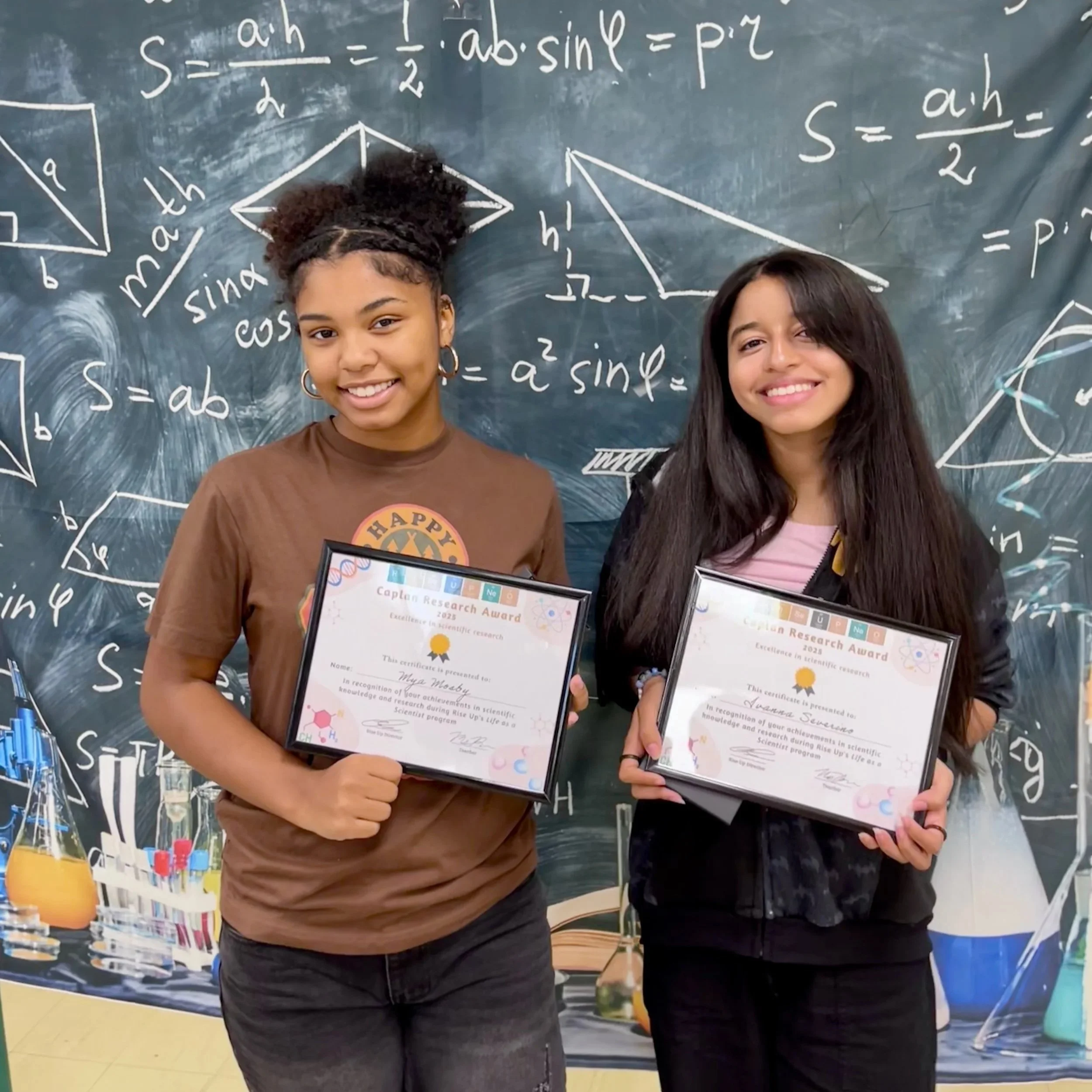
Mya Mosby and Ivanna Severino
Healthy Eating
Mya Mosby and Ivanna Severino
How healthy are the preservatives in our food? This student research team set out to answer that question by studying sodium nitrate, a common additive in cured meats that keeps food fresh, but may also pose health risks.
Using fruit flies as a model organism, the students tested different concentrations of sodium nitrate to see how it affected movement, reproduction, and behavior. They found that at higher doses, the flies became slower, less active, and less able to reproduce. The flies also showed a surprising shift in preference—those exposed to more sodium nitrate were drawn toward ethanol, which could signal stress or brain changes.
While their final molecular test didn’t produce visible results, their careful experiments revealed that even small organisms can show how chemicals in our food affect health. This creative and well-designed project earned recognition for its real-world relevance and thoughtful approach to exploring what “healthy eating” truly means.
You can read their full paper on page 37 of the Journal of Young Scientists!
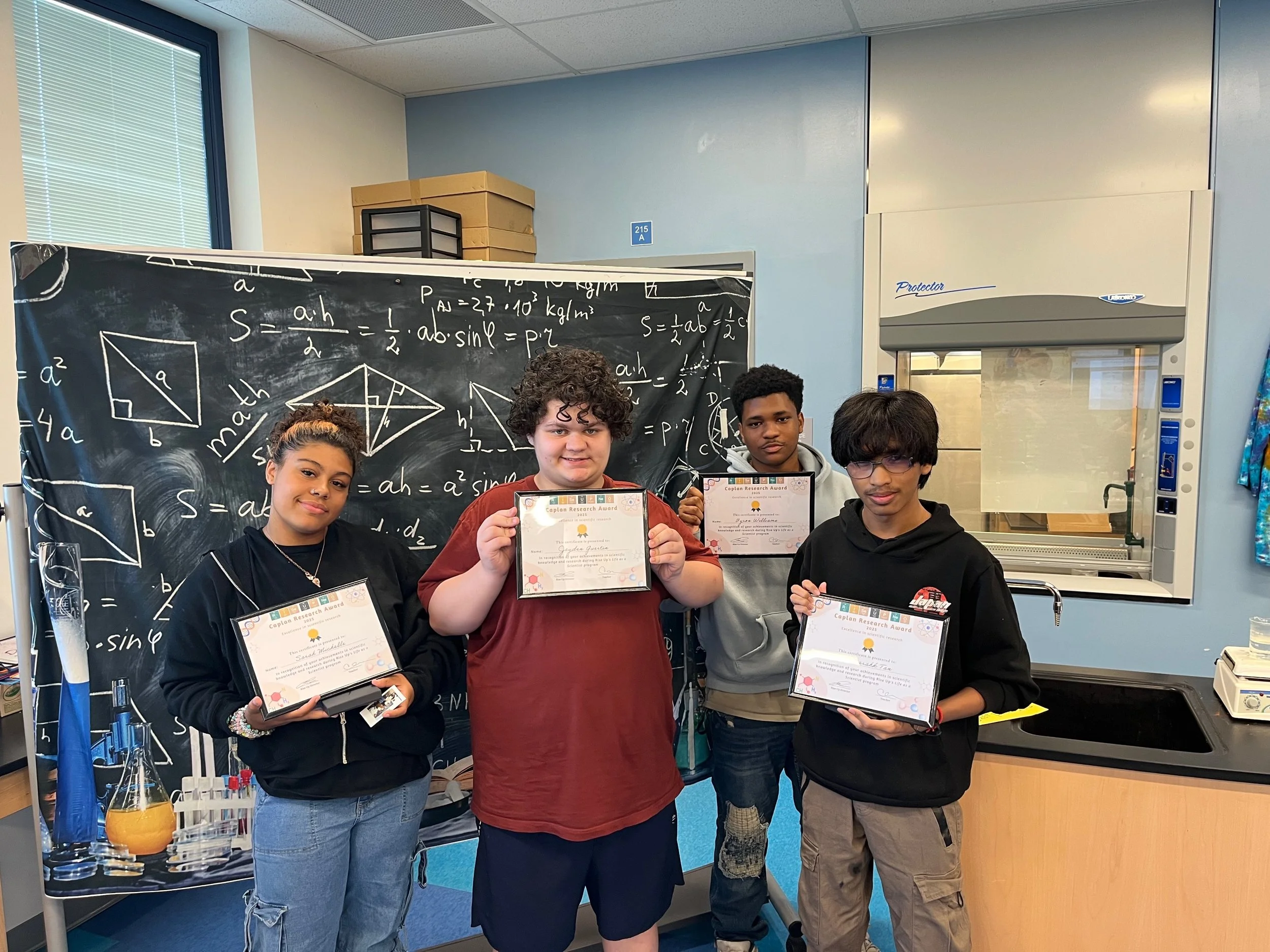
Isolated Ants group
Isolated Ants
Sarah Michelle, Jayden (JJ) Guertin, Chavarahk Tan, Elvis Baliwabo, Baid Nascembeni, Alexis Lopez, Byron Williams, and Bianca Morales
What happens when social creatures are left all alone? This award-winning team from Garrett Morgan set out to explore that question, using ants as a model to study loneliness and behavior.
Inspired by the isolation many people felt during the COVID-19 pandemic, the group wondered whether ants could experience a similar kind of “loneliness” and how it might affect their activity or aggression. They focused on a brain protein called Tachykinin (TACR1), which has links to stress and emotion in both ants and humans.
Over several weeks, the students carefully observed ants kept in isolation compared to ants living in small colonies. The isolated ants became slower, more withdrawn, and often hid in corners, clear signs that separation had an effect. While protein testing didn’t show the expected changes in TACR1 levels, the behavioral differences were striking.
Their findings highlight how social connection matters across species, and how scientific curiosity can grow into meaningful discovery. The project stood out for its creativity, careful design, and the team’s persistence in exploring the biology of loneliness.
You can read their full paper on page 63 of the Journal of Young Scientists!
If you’d like your own print copy of the journal, we’d be happy to send you a one, simply make a donation amount of your choosing and reach out to us.
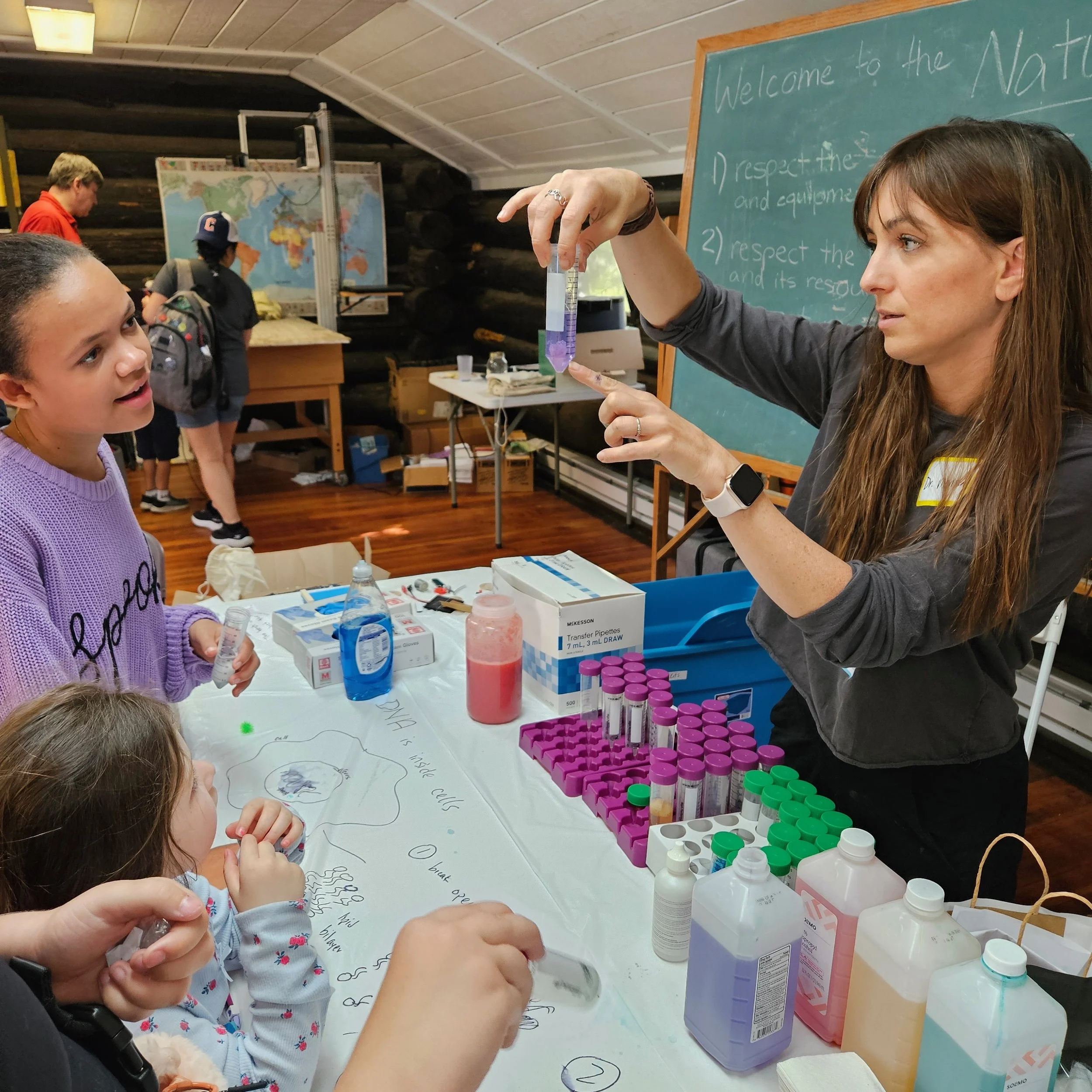
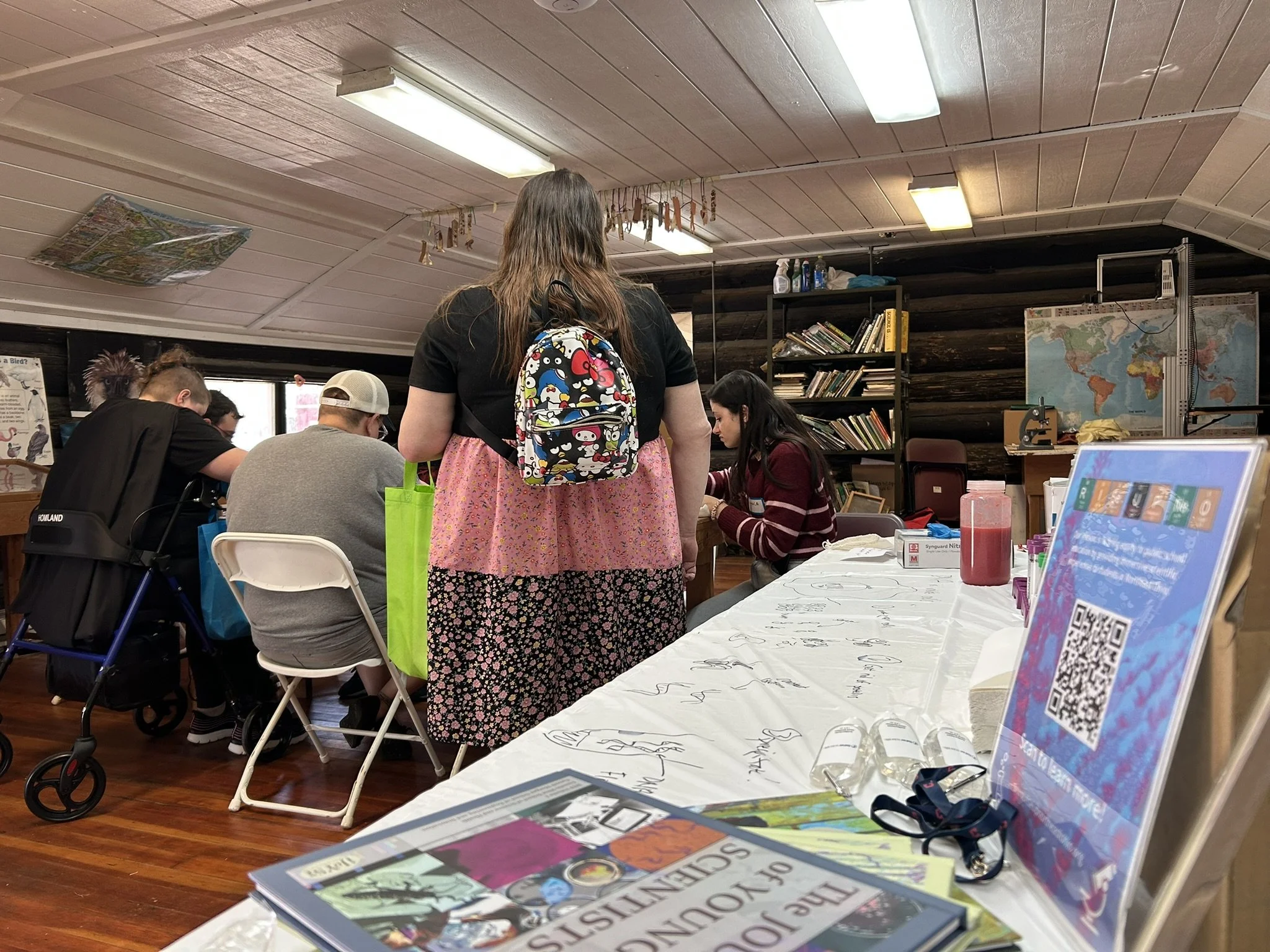
Attendees checking out their own DNA
Neurodiverse Culture Festival
We had another wonderful experience at this year’s Neurodiverse Culture Festival, celebrating creativity, inclusion, and the power of hands-on science! Our team spent the day engaging with festival attendees of all ages, building solar cars, isolating DNA from spit and strawberries, and sharing in plenty of curiosity and discovery along the way.
This event has become a highlight of our fall outreach, and it’s always inspiring to see families, students, and community members come together to explore and celebrate the many ways we think, learn, and create.
A heartfelt thank you goes out to our dedicated volunteers for their enthusiasm and time, to all of the festival guests who stopped by our booth, and to Nature herself for providing another beautiful, sunny Cleveland day—perfect for science and solar-powered fun!